general
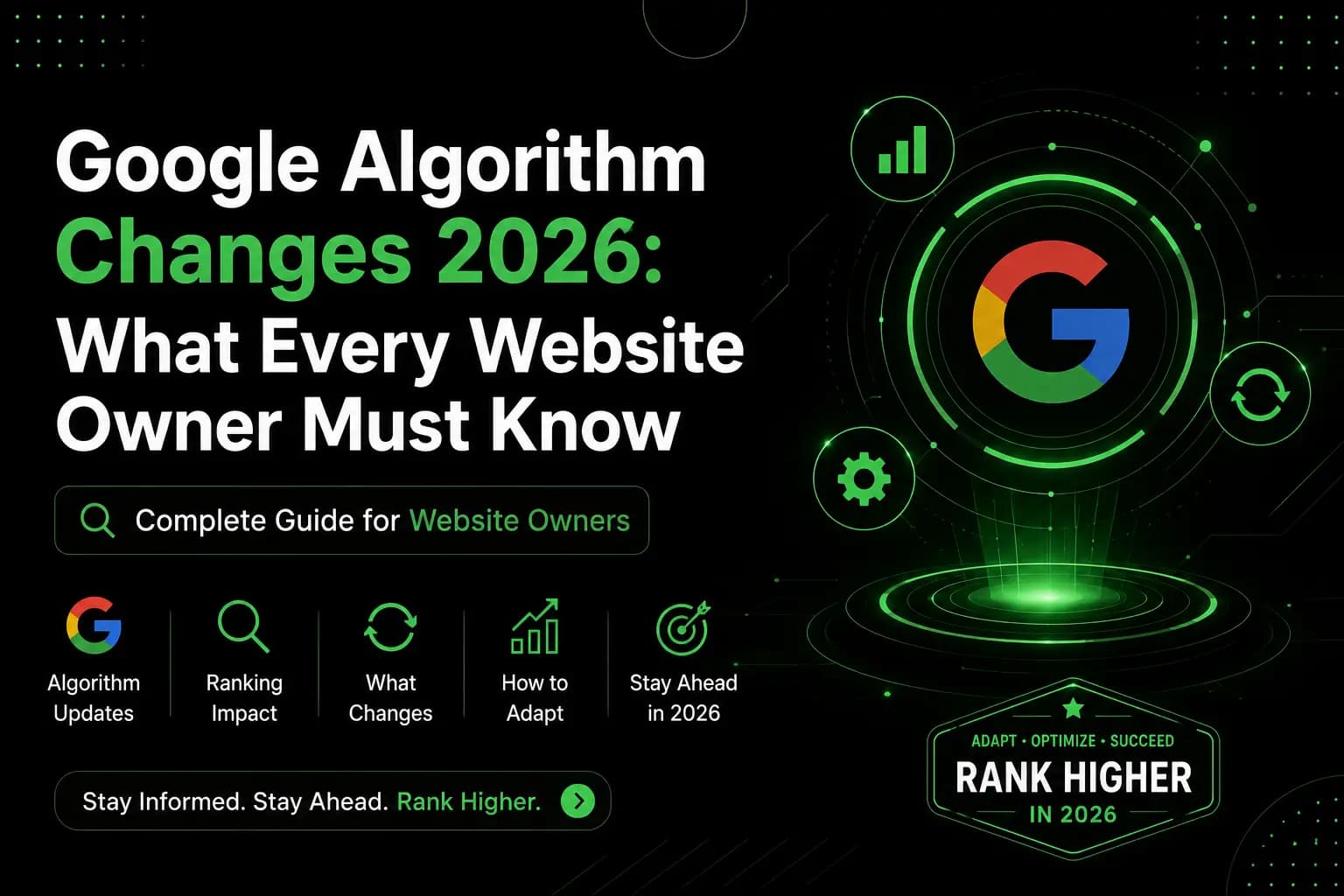
Google Algorithm Changes 2026: What Every Website Owner Must Know
June 29, 2026 · By Megha
If your website traffic has been behaving strangely in 2026 — sudden drops, unexpected gains, or rankings shifting without any changes on your end — you are not imagining it. This year has already been one of the most turbulent in Google’s search history, and we are only halfway through it.
Google has pushed out four confirmed updates since January: a Discover-specific core update in February, a spam update in March, a broad core update at the end of March, and another broad core update in May. Each one has reshuffled how millions of pages rank across every industry and language.
What makes 2026 different is not just the number of updates — it is the speed. Google has moved from releasing major core updates roughly twice a year to roughly every three months. The window to understand what changed, adapt your content, and recover any lost ground has shrunk dramatically. This guide breaks down every confirmed change, what it means for your site, and exactly what to do about it.
What does Google's algorithm actually do?
At its core, Google’s algorithm has one job: find the most relevant, trustworthy answer for every search query, and show it first. To do that, it weighs hundreds of signals — from how fast your page loads, to how long visitors stay on it, to who else on the internet links back to you.
Google doesn’t publish a complete list of ranking factors (and likely never will), but years of research, testing, and official guidance have revealed a solid picture of what matters most.
Page speed
Mobile-friendliness
HTTPS security
Link quality
User engagement
Content relevance
E-E-A-T signals
Site structure
In 2026, these factors are now evaluated by an AI-powered system that compares your page against every competitor targeting the same query — not against a fixed checklist. That shift makes comparative quality more important than ever.
How Often Does Google Change Its Algorithm?
Minor tweaks happen constantly — sometimes dozens in a single day. Most of these are invisible; you will not see a ranking shift from them. The ones worth paying attention to are broad core updates, which Google now releases roughly every 90 days.
Prior to 2024, major core updates arrived roughly twice a year. That has changed. The faster cadence means sites have a shorter window to diagnose problems and recover between cycles. Waiting six months to “see what happens” is no longer a viable response strategy.
Key rule: Do not make rapid changes during an active rollout. Wait until a rollout is confirmed complete — Google announces this on SearchLiaison — before diagnosing drops or making content decisions based on fluctuating data.
Every Confirmed Google Update in 2026
Here is a complete timeline of all confirmed Google updates released in 2026 up to June:
February 5, 2026
February 2026 Discover Core Update
This update targeted Google Discover specifically — not general web search. Rolled out first to English-language users in the US before expanding globally. Local publishers and smaller independent sites saw notable reach drops in Discover feeds. Google confirmed Discover now operates under a separate quality evaluation framework from standard search.
March 24–25, 2026
March 2026 Spam Update
One of the fastest spam rollouts on record — completed in approximately 20 hours. Targeted manipulative practices including cloaking, auto-generated content without editorial oversight, and artificial link schemes. The impact appeared muted compared to past spam updates, but enforcement of these rules has continued to tighten in subsequent core updates.
March 27 – April 8, 2026
March 2026 Core Update
A broad recalibration of how pages rank relative to one another — not new rules, but a sharper application of existing quality signals. Core Web Vitals (LCP, INP, CLS) are now scored as a composite: failing any single metric has a compounding negative effect on your overall technical score. Sites with thin content or weak topical authority saw traffic drops of 20–35% during this rollout.
May 21 – June 2, 2026
May 2026 Core Update
The second broad core update of 2026, completing in 12 days. Arrived just days after Google I/O 2026, where major AI search features were announced publicly. Notable volatility was recorded on May 23, May 30, and the final 24 hours of the rollout. Continued the comparative ranking theme from March — no new ranking signals, but a sharper evaluation of content quality and user intent alignment.
The Biggest Shifts in Google's Ranking in 2026
These are the structural changes to how Google evaluates pages in 2026 — not just temporary volatility, but lasting shifts in ranking criteria:
AI-Powered Ranking Evaluation
Google’s ranking systems now use AI to assess intent match, topical depth, and experience signals — not just keyword frequency and link counts. The algorithm can evaluate content quality the way a thoughtful reader would.
Holistic Core Web Vitals Scoring
LCP, INP, and CLS are now evaluated as a composite score. Previously, strong performance on two metrics could compensate for a weak third. In 2026, a single failing metric creates a compounding penalty on your overall technical score.
AI Overviews Expanding
Google’s AI-generated summaries now appear on significantly more query types. This changes how clicks are distributed across the results page — even sites ranking in position one are seeing reduced click-through rates on queries where AI Overviews appear.
Comparative Ranking
Rankings reflect how good your content is relative to competitors on the same query — not whether it crosses a fixed quality threshold. If competitors publish substantially better content, your rankings can fall even if you have not changed anything.
Discover Gets Its Own Rules
The February update confirmed that Google Discover now has a distinct quality evaluation framework separate from general search. If Discover is a significant traffic source for your site, its guidelines deserve separate attention.
Faster Update Cadence
Google has moved from roughly two core updates per year to one every three months. The recovery window between updates is shrinking. Continuous content improvement is no longer optional — it is the baseline expectation.
13 Things to Do After the 2026 Updates
These are the highest-impact actions you can take right now to protect your rankings and recover any ground that has been lost:
- Wait for rollouts to complete before acting — data fluctuates heavily during active core updates and any decisions made mid-rollout are unreliable.
- Open Google Search Console and compare impressions, clicks, and average position for the 14 days before and after each confirmed update window.
- Fix your Core Web Vitals holistically — all three metrics (LCP, INP, CLS) must pass. A single failing metric now has a compounding negative effect on your total score.
- Audit your content for genuine usefulness — does each page actually help the person searching for it, or is it written to rank? Google’s AI can tell the difference.
- Build topical depth across your site, not just for top-performing pages. The 2026 updates evaluate the overall quality of a site, not just individual articles.
- Demonstrate E-E-A-T — add author credentials, firsthand evidence of experience, authoritative citations, and clear trust signals throughout your site.
- Optimise for mobile first — Google indexes the mobile version of your site. A poor mobile experience directly affects your ranking regardless of desktop performance.
- Review your Google Discover pages specifically in light of the February 2026 update’s revised Discover quality guidelines if Discover drives significant traffic for you.
- Audit your backlink profile — remove or disavow low-quality inbound links. Spammy link patterns continue to be penalised under the March spam update’s enforcement.
- Avoid over-optimised content: keyword-stuffed pages, thin AI-generated posts without editorial oversight, and aggressive exact-match anchor text all carry higher risk in 2026.
- Refresh underperforming old content — update with new data, improved structure, and current examples. A well-updated article can recover rankings without requiring a brand new post.
- Monitor your analytics consistently — a sudden traffic drop is often the first visible sign of a core update hit. Catching it early gives you more recovery time before the next rollout.
- Use external trackers like MozCast and Semrush Sensor to monitor daily algorithm volatility, and follow Google SearchLiaison for official core update announcements.
The Algorithm Milestones That Led to 2026
The 2026 updates did not arrive from nowhere. They are the product of over a decade of Google progressively raising the bar on content quality. Here is the short version of the journey:
2011 — Panda
Quality Scoring Begins
First major penalty for thin content, keyword stuffing, and duplicate pages. Introduced a quality score tied to perceived content value.
2012 — Penguin
Link Quality Over Volume
Cracked down on spammy backlink schemes and link directories. Shifted emphasis from link quantity to link relevance and authority.
2013 — Hummingbird
Semantic Search
Moved beyond keyword matching toward understanding the meaning and intent behind a search query — the beginning of true semantic evaluation.
2015 — RankBrain
AI Enters Search
Google’s first machine-learning ranking component. Learns from user behaviour to surface the most satisfying results for ambiguous queries.
2022 — Helpful Content
People-First Content
Rewarded content written for people, not for search engines. Sites producing generic AI content without editorial investment saw visible ranking drops.
2026 — Now
AI-Comparative Ranking
Rankings are relative, AI-assessed, and updated every 90 days. The same direction as 2011 — but enforced faster and more precisely than ever.
Frequently Asked Questions
How do I know if a Google update hit my website?
Open Google Search Console and check for sudden changes in impressions, clicks, or average position around the confirmed update dates. Cross-reference with MozCast or Semrush Sensor to confirm the volatility was widespread, not isolated to your site. If the drop aligns with a known update window, the update is the likely cause.
How long does recovery from a core update take?
Google states that meaningful recovery requires genuine improvement to content quality over time — not a quick fix. With the new 90-day update cadence, recovery may be visible as early as the next core update if improvements are substantial. Cosmetic changes or keyword tweaks will not move the needle.
Is Google's algorithm different from Bing's?
Yes. Google updates far more frequently and relies heavily on AI evaluation systems. Bing publishes more transparent guidance around its ranking factors, which include metadata, page loading time, and backlink quality. Since Yahoo is closely tied to Bing, the principles are largely similar across both platforms.
What is E-E-A-T and why does it matter in 2026?
E-E-A-T stands for Experience, Expertise, Authoritativeness, and Trust. It is Google’s framework for evaluating content quality, especially for topics that affect people’s health, finances, or safety. In 2026, demonstrating genuine firsthand experience has become more important — author credentials, original research, and evidence of real product use all contribute to stronger E-E-A-T signals.

Author
Megha
Digital Marketing Executive cum Trainer
* Join Techoriz
Ready to master digital marketing?
Learn with Kerala's first ISO-certified agency-based digital marketing academy. Get expert training, live projects, and 95% placement support.
Keep reading
Related Posts
 general
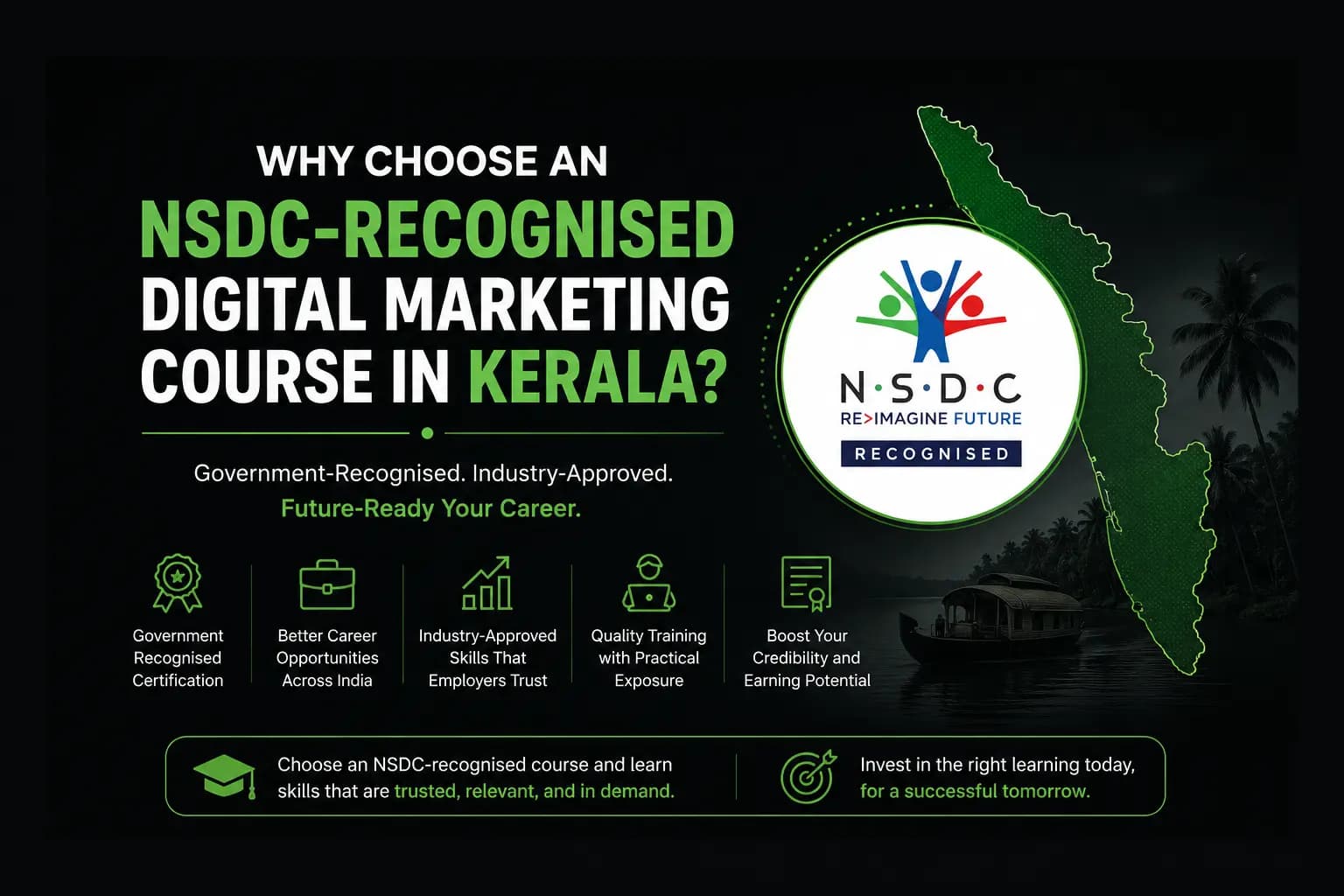
Why Choose a NSDC-Recognised Digital Marketing Course in Kerala?
Why Choose a NSDC-Recognised Digital Marketing Course in Kerala? If you’ve spent […]
August 1, 2026 · Ajmal Rishan
Read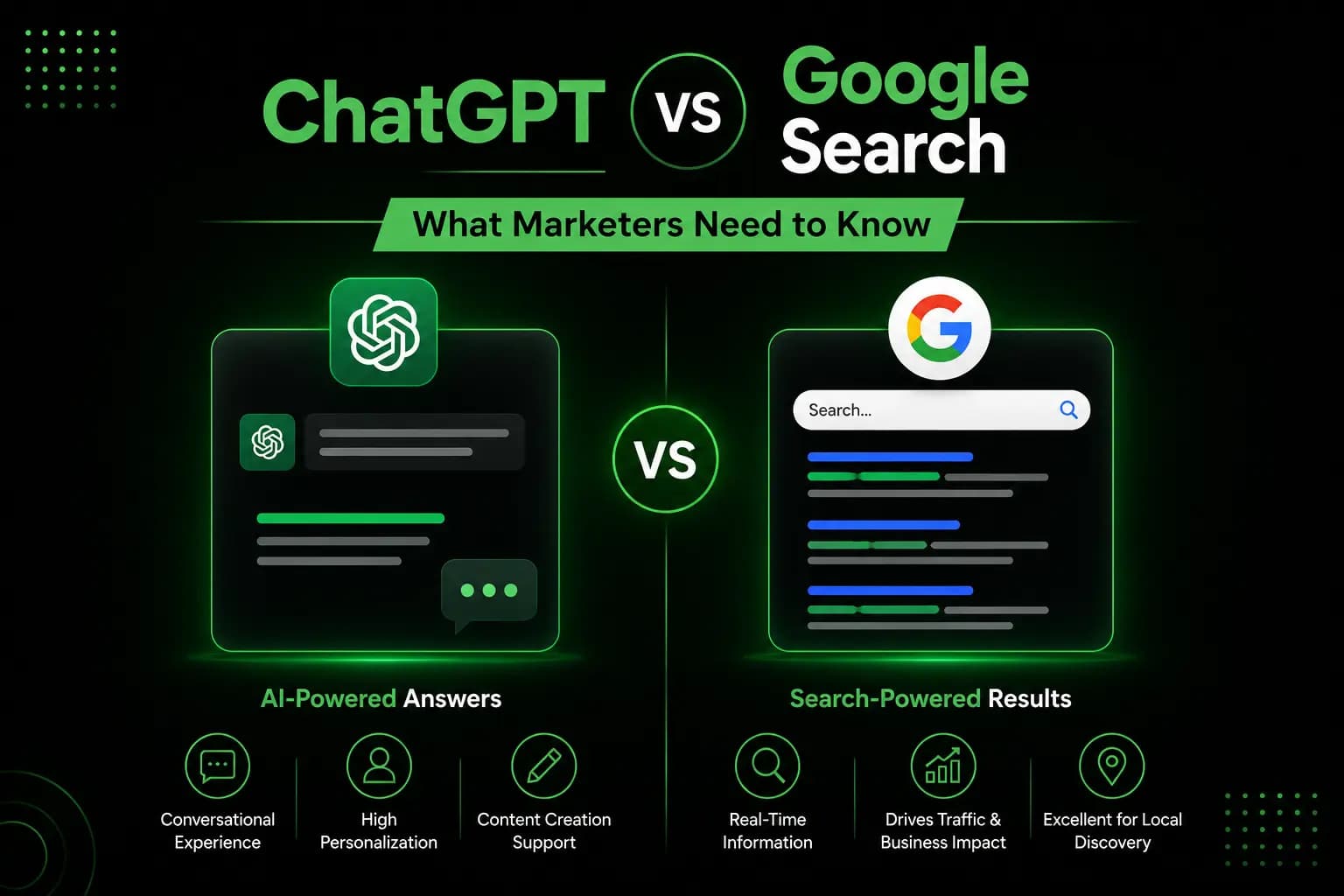 general
ChatGPT vs Google Search: What Marketers Need to Know
For more than two decades, search engines have shaped the way people […]
July 31, 2026 · Shahala Sherin
Read general
Match Types in 2026: How “Broad Match + Smart Bidding” Has Changed Keyword Strategy
Match Types in 2026: How “Broad Match + Smart Bidding” Has Changed […]
July 29, 2026 · Megha
Read