general
How to Start a Career in Digital Marketing in Kerala: A Step-by-Step Guide
April 21, 2026 · By Techoriz Digital Academy

digital marketing career 2026
Digital marketing has become one of the fastest-growing career fields in Kerala. Today, businesses of all sizes rely heavily on online platforms to reach customers, promote their services, and grow their brands. From small local shops to large companies, almost every business now needs an online presence to stay competitive in the market. Because of this change, businesses are actively looking for skilled digital marketers who can help them grow online and build a strong digital marketing career 2026.
For students, job seekers, and even professionals who want to switch careers, digital marketing offers many exciting opportunities. One of the biggest advantages of this field is that you do not always need a specific degree to begin. What matters most is learning the right skills, understanding how digital platforms work, and gaining practical experience to succeed in a digital marketing career 2026.
If you are someone interested in creativity, technology, and business growth, digital marketing can be a rewarding career path. Here is a simple step-by-step guide to starting a career in digital marketing in Kerala.
Step 1: Understand What Digital Marketing Is
Before starting your journey, it is important to clearly understand what digital marketing actually involves.
Digital marketing refers to promoting products or services using online platforms such as search engines, social media, websites, email, and online advertisements. Unlike traditional marketing methods, digital marketing allows businesses to reach a much larger audience and measure the results of their campaigns more accurately.
This field includes several important areas such as search engine optimization (SEO), social media marketing, content marketing, Google Ads, email marketing, and analytics. Each of these areas plays an important role in helping businesses attract customers, increase brand awareness, and generate leads online.
Step 2: Learn the Core Digital Marketing Skills
To build a successful career in digital marketing, you need to learn the fundamental skills used in the industry. Understanding these skills will help you create and manage effective online marketing campaigns.
Some of the most important areas include:
- Search Engine Optimization (SEO)
- Social Media Marketing
- Google Ads and Paid Advertising
- Content Marketing
- Website Management
- Graphic Design for Digital Platforms
- Marketing Analytics and Data Interpretation
Learning these skills will help you understand how digital campaigns work and how businesses use different platforms to reach their target audience.
Step 3: Join a Practical Digital Marketing Course
One of the best ways to start your journey is by enrolling in a practical digital marketing course that provides structured learning and hands-on training. A good course helps students understand both the theoretical concepts and the real-world applications of digital marketing.
Since digital marketing is a skill-based field, practical learning is extremely important. Courses that include live projects, real marketing tools, and case studies help students gain confidence and understand how digital strategies are implemented in real business situations.
Step 4: Work on Real Projects and Internships
Practical experience is one of the most valuable things you can gain while learning digital marketing.
Working on real projects helps students understand how marketing strategies are planned, executed, and optimized. Internships also provide exposure to real campaigns, client requirements, and professional marketing tools used in the industry.
Students who gain hands-on experience during their training often find it easier to apply for jobs or start freelance work after completing their course.
Step 5: Build Your Portfolio
A strong portfolio is very important for anyone entering the digital marketing field. Instead of simply listing your skills, a portfolio shows the actual work you have done.
Your portfolio may include:
- SEO optimization projects
- Social media marketing campaigns
- Blog writing and website content
- Online advertising campaigns
- Graphic designs and marketing creatives
A well-prepared portfolio helps employers and clients understand your practical abilities and the kind of results you can deliver.
Step 6: Start Freelancing or Apply for Jobs
Once you have learned the basic skills and gained some practical experience, you can begin exploring career opportunities.
Many beginners start with entry-level roles such as:
- Digital Marketing Executive
- SEO Specialist
- Social Media Manager
- Content Marketer
- Paid Ads Specialist
Some students also choose to start freelancing by helping small businesses improve their online presence. Freelancing can be a great way to gain experience, build confidence, and earn income while developing your skills.
Step 7: Keep Learning and Improving
Digital marketing is a constantly evolving field. Search engines, social media platforms, and marketing technologies change frequently. New tools and strategies continue to emerge as technology develops.
Successful digital marketers always stay updated with the latest trends, tools, and strategies. Continuous learning is an important part of growing in this industry.
Growing Opportunities for Digital Marketers in Kerala
Kerala has a rapidly growing digital economy. Startups, small businesses, and service-based companies are increasingly investing in online marketing to reach more customers and expand their businesses.
As more businesses move online, the demand for skilled digital marketers continues to grow. This creates excellent opportunities for students and professionals who want to build a future-ready career.
For those who want structured training and practical exposure, joining a digital marketing institute can help build the necessary skills. Institutions like Techoriz Digital Academy, with training centers in Kannur and Calicut, focus on hands-on learning, real projects, and internship opportunities that help students gain industry experience while they are still learning
Author
Techoriz Digital Academy
* Join Techoriz
Ready to master digital marketing?
Learn with Kerala's first ISO-certified agency-based digital marketing academy. Get expert training, live projects, and 95% placement support.
Keep reading
Related Posts
 general
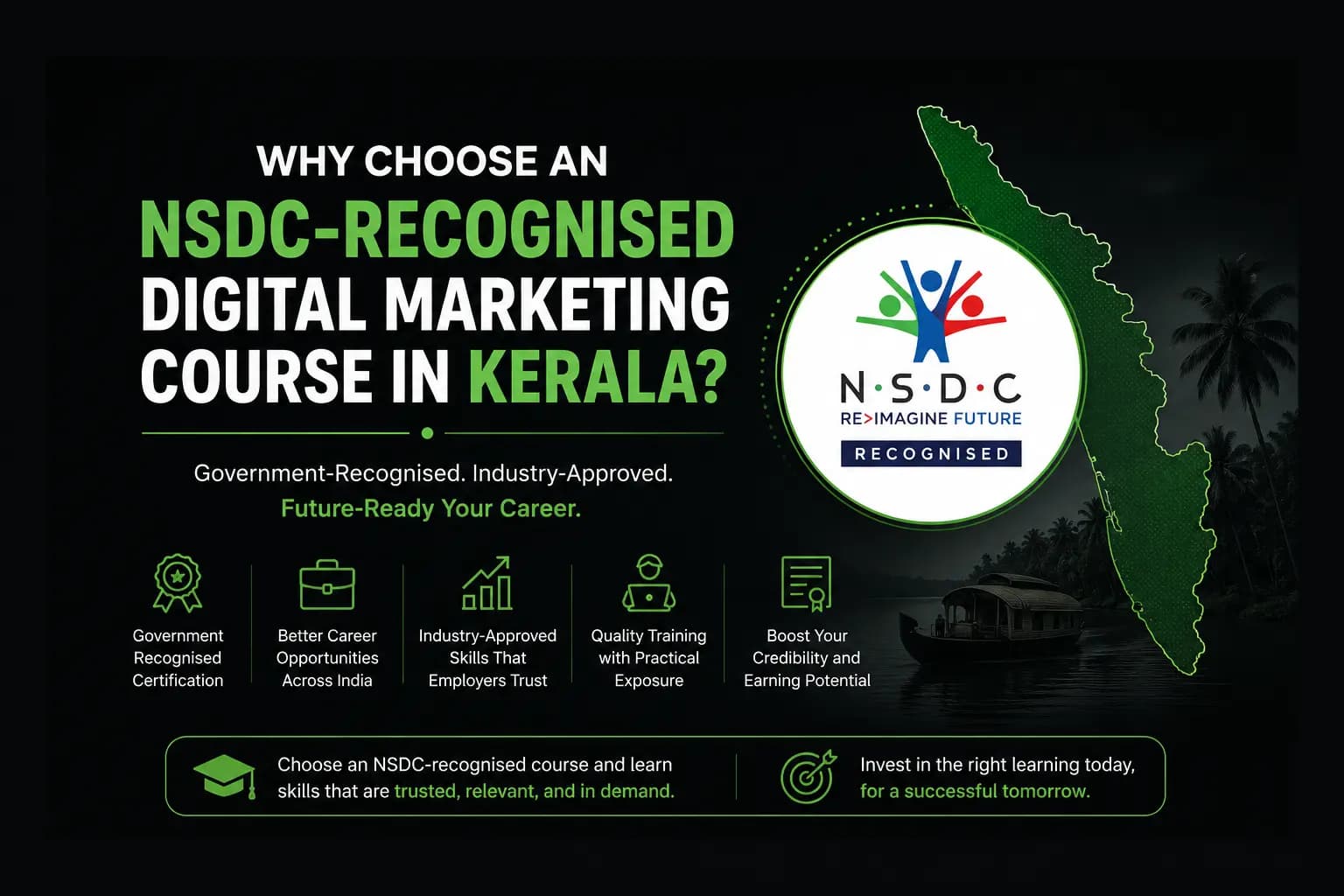
Why Choose a NSDC-Recognised Digital Marketing Course in Kerala?
Why Choose a NSDC-Recognised Digital Marketing Course in Kerala? If you’ve spent […]
August 1, 2026 · Ajmal Rishan
Read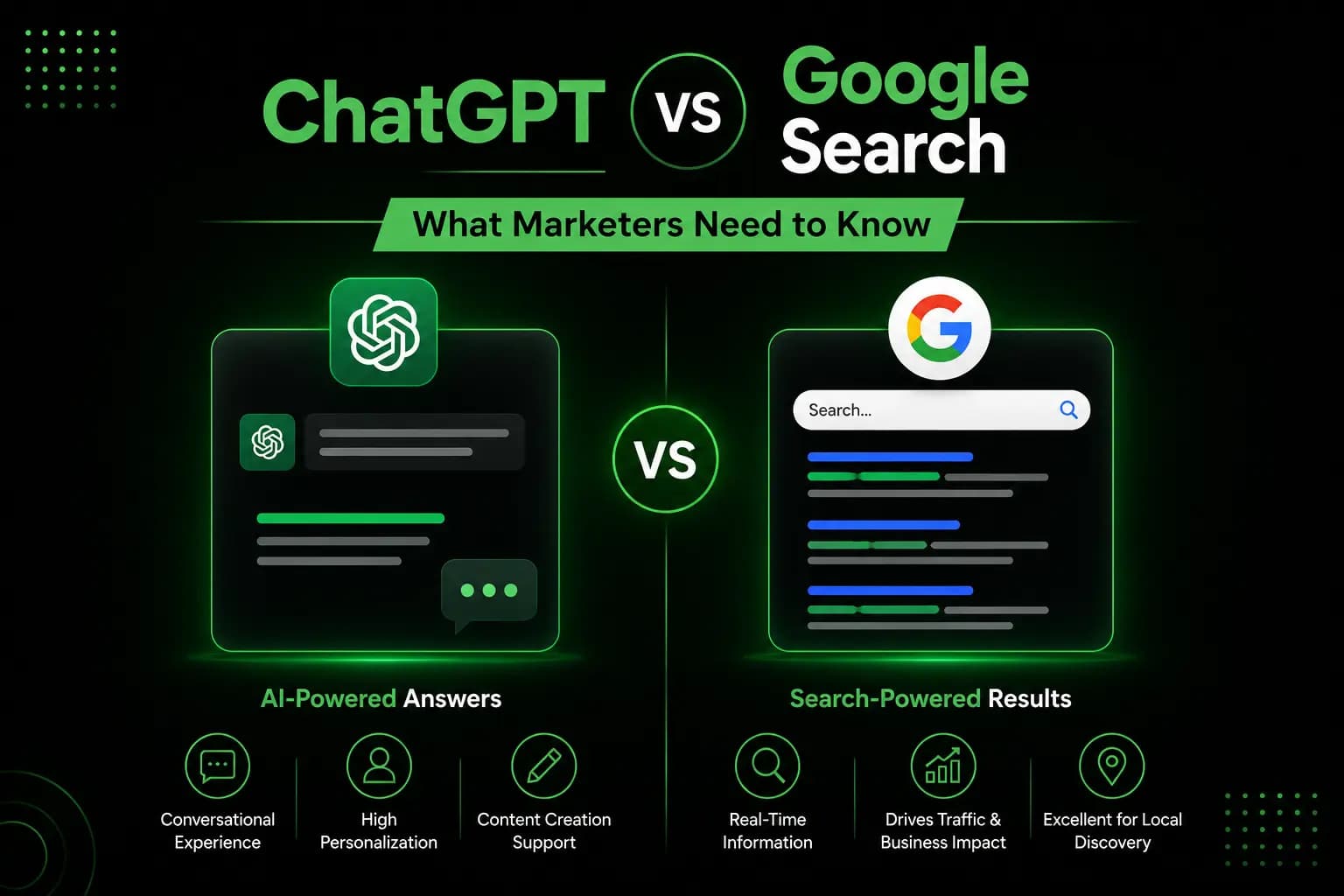 general
ChatGPT vs Google Search: What Marketers Need to Know
For more than two decades, search engines have shaped the way people […]
July 31, 2026 · Shahala Sherin
Read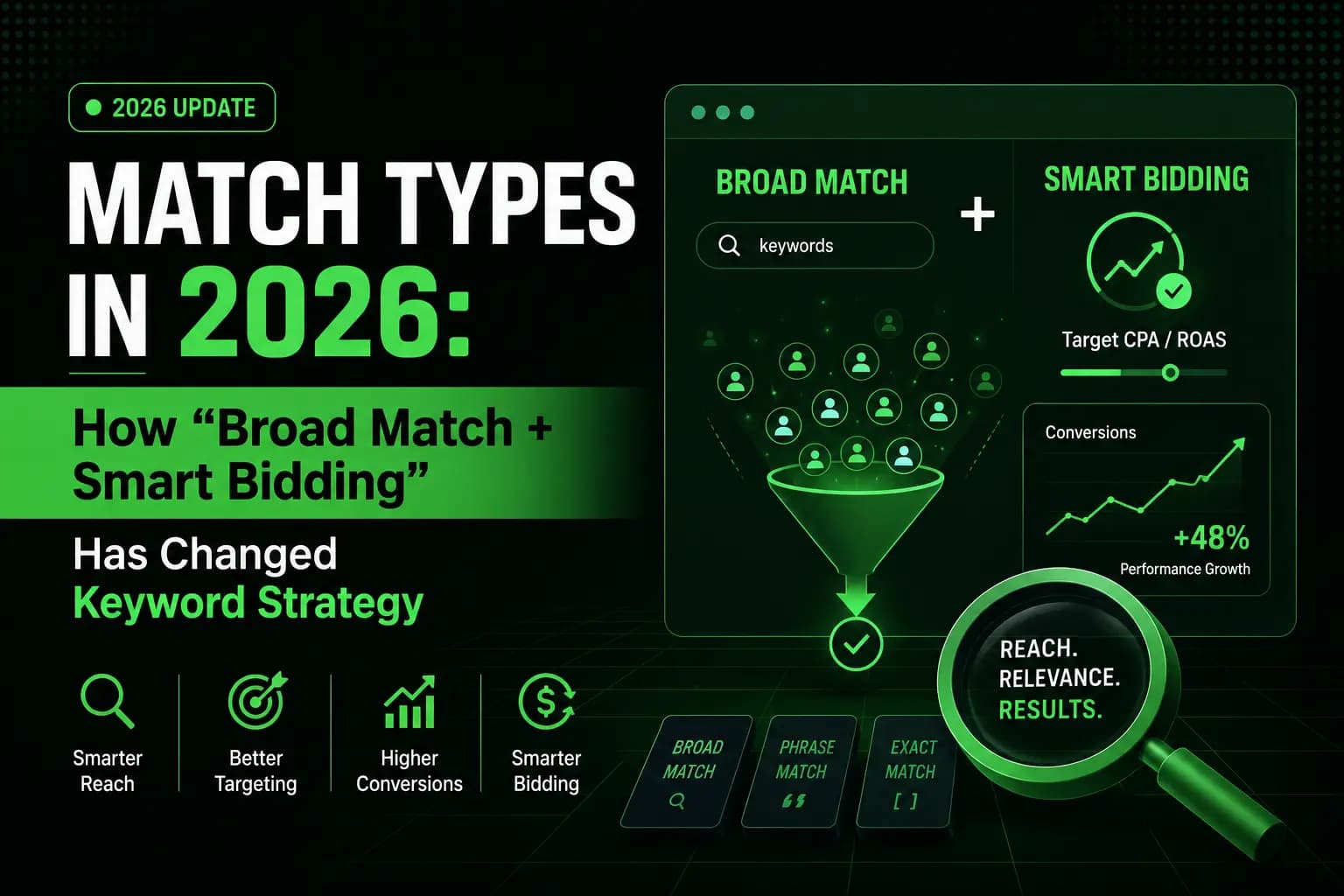 general
Match Types in 2026: How “Broad Match + Smart Bidding” Has Changed Keyword Strategy
Match Types in 2026: How “Broad Match + Smart Bidding” Has Changed […]
July 29, 2026 · Megha
Read